What Went Wrong With Paul's House
The structural engineer walked Paul through everything that had gone wrong during construction. It was basically a checklist of how not to build a foundation. The American Concrete Institute classifies early detection can significantly reduce repair costs.
The Backfill Disaster
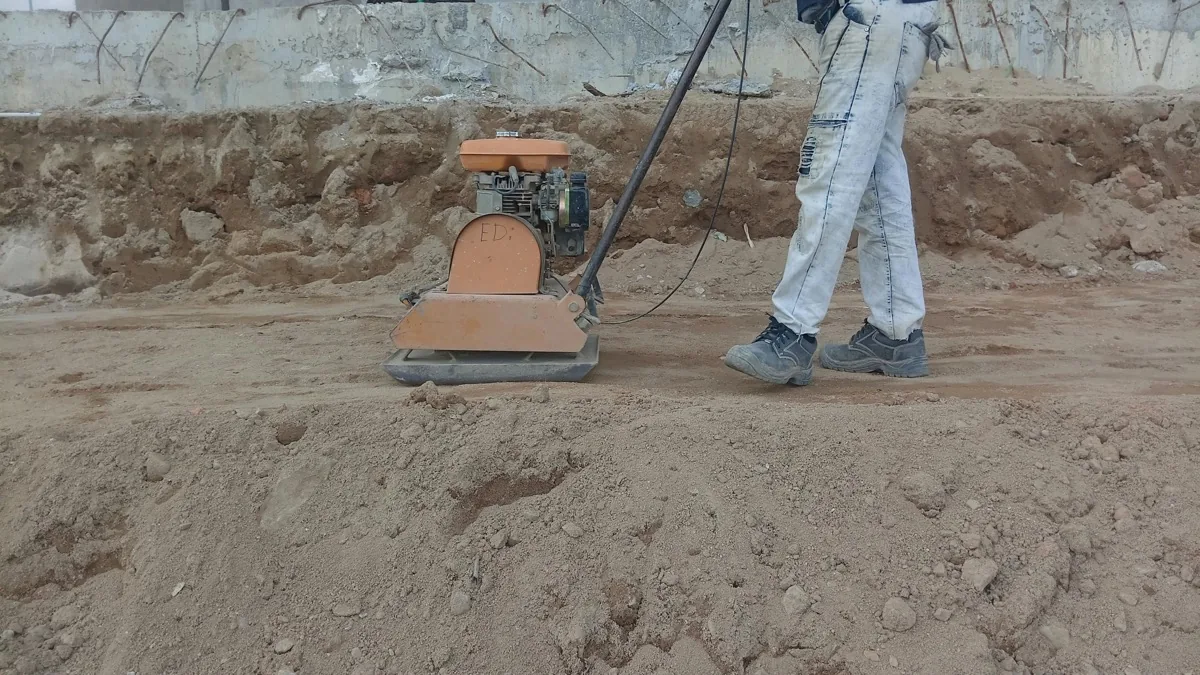
After you pour a foundation, you have to fill in the excavation around it. This backfill is supposed to be done with good material, placed in layers, properly compacted. Paul's builder used the clay soil they'd dug out of the hole, dumped it all at once, and drove over it a few times with a skid loader.
That clay settled. A lot. It settled unevenly because it wasn't compacted properly. It held water against the foundation because clay doesn't drain well. And it created voids as it compressed over those first few years.
The Too-Early Backfill
Here's what really got Paul. The engineer looked at the construction photos from the builder's marketing materials and noticed they'd backfilled within days of pouring. Concrete takes time to cure and reach full strength. Weeks, not days.
When you push dirt against a wall before the concrete is strong enough, you stress it. You can crack it. You can literally push it out of position before it's set. The engineer said he sees this constantly in tract housing where builders are racing to move on to the next house.
The Nonexistent Compaction
Proper backfill should be placed in 6-inch layers, with each layer mechanically compacted before the next one goes on. Paul's builder didn't own a compactor. They just dumped and went.
Uncompacted fill settles dramatically. It can drop 20% or more of its volume as it naturally compacts under its own weight and water infiltration. That's why Paul's soil pulled away from the foundation in some spots and pressed hard in others.
Other Construction Problems That Cause Cracks
Paul's situation got me paranoid. I started asking Stan and other people in construction about what goes wrong during building. According to the International Code Council, professional standards for this have evolved considerably over the past decade.
Concrete Mix Issues
Stan told me about a job where the concrete truck showed up late and the driver added water to keep the mix workable. Too much water weakens concrete. The foundation looked fine at first but developed excessive cracking within the first year.
Concrete is chemistry. Wrong mix, wrong water ratio, wrong temperature during pour, wrong curing conditions. Any of these can produce weak concrete that cracks more than it should.
Missing Reinforcement
Steel rebar in concrete adds tensile strength. Building codes specify how much reinforcement foundations need. But inspectors can't see inside wet concrete. If a builder skips rebar or places it wrong, nobody knows until cracks start appearing.
One of Paul's neighbors actually had his foundation x-rayed after his problems started. Turned out the rebar was pushed to one side of the wall instead of centered. Basically useless.
Undersized Footings
Footings are the concrete pads that foundation walls sit on. They spread the load over a larger soil area. If footings are too narrow for the soil conditions, the foundation can settle unevenly.
Paul's development was built on what used to be farmland. The soil was pretty good in some spots, not so good in others. A proper geotechnical investigation would have identified this. The builder didn't pay for one.
Building on Fill
The worst house in Paul's neighborhood was the one built where they'd filled in a low spot during grading. The builder cut dirt from one end of the site and used it to fill the other end. That fill was never engineered or properly compacted. The house on it has settled almost 3 inches.
Those homeowners are looking at underpinning that's going to cost more than Paul's repairs.
How Paul Figured Out It Was Construction Defects
It wasn't obvious at first that the problems were from construction. Paul blamed everything else.
Too Many Cracks Too Early
The engineer pointed out that Paul's house was only three years old. Most foundation cracks from normal causes take decades to develop. When a relatively new house has widespread cracking, construction defects jump to the top of the list.
Paul had been telling himself it was "normal settling." Three inches of differential settlement in three years is not normal.
The Pattern Didn't Match External Causes
No trees near the foundation. Good drainage. No obvious water problems. The cracks didn't correlate with rain or drought. Nothing external explained what was happening.
The engineer said when you eliminate external causes and you're left with a new house with lots of cracks, you look at how it was built.
Visible Defects
Once Paul knew what to look for, he found more problems. Honeycombing in some spots, that rough porous texture that means the concrete didn't consolidate properly. Cold joints where you could see the horizontal line between pours. One form tie patch that was literally falling out.
These weren't smoking guns by themselves, but together they painted a picture of sloppy work.
What Paul Did About It
Paul tried to go after the builder. It didn't work out.
The Builder Bankruptcy
The builder had incorporated as an LLC, built the development, sold all the houses, and dissolved the company. When problems started appearing, there was no entity left to sue. The individuals behind the company had moved on to a new LLC building houses in another county.
Paul talked to a construction defect attorney. Without a defendant who could actually pay a judgment, litigation was pointless. The attorney had seen this pattern before. Builder disappears, homeowners are stuck.
The Insurance Dead End
Paul's homeowner's insurance didn't cover foundation problems caused by construction defects. That's a standard exclusion. The builder's liability insurance had expired with the company.
The only coverage that might have helped was a new home warranty. Paul had one, but it excluded "soil conditions" and "settling." The warranty company argued that's what this was. Paul disagreed. He didn't have $50,000 to fight them in court.
The Out-of-Pocket Repair
Paul ended up paying for the repairs himself. $27,000. Eight push piers to stabilize the settled sections. Crack injection throughout the basement. Some interior work to fix damage from the movement.
He refinanced his house to pay for it. He's still bitter. I don't blame him.
What I Learned From Paul's Experience
I bought my house used. It's old enough that any construction defects have long since revealed themselves. But if I ever bought new construction, here's what I'd do differently.
Research the Builder
Paul bought based on the model home and the sales pitch. He never looked up the builder's history. If he had, he'd have found complaints from previous developments. The same pattern. Foundation problems appearing a few years after construction.
Search for lawsuits, complaints with the state licensing board, Better Business Bureau reviews. Not just recent ones. Go back several years.
Independent Inspections During Construction
Paul relied on municipal inspections. Those are minimal. They check that you pulled the right permits and meet code minimums. They don't check construction quality in detail.
A private inspector during key phases of construction costs maybe $1,500 total. They inspect footing excavation, steel placement, concrete work, backfill. They're working for you, not the builder. Paul would have paid $1,500 to avoid $27,000 in a heartbeat.
Get a Real Warranty
Some builders offer third-party structural warranties that actually cover foundation problems. They cost extra. The coverage is real. If Paul had insisted on this, his repair costs would have been covered.
Document Everything
If problems do appear, documentation matters. Photos of construction if you can get them. Records of when problems first appeared. Written communications with the builder. Paul had almost none of this, which made his legal options even worse.