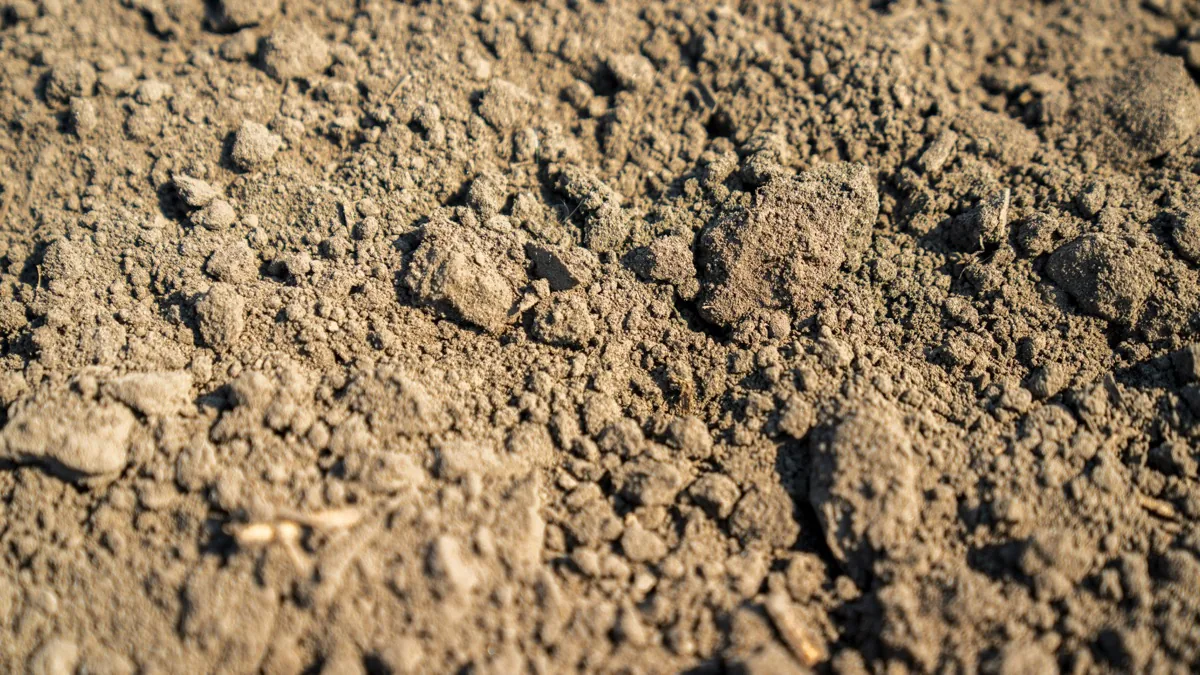
What Actually Happened Under His House
I went with my uncle when the engineer came. First time I actually understood what soil settlement means. The American Concrete Institute classifies these types of issues are more common than most homeowners realize.
The Uneven Sinking
The engineer explained that all houses settle some. It's unavoidable. The weight of the structure compresses the soil underneath. But if it settles evenly, nobody cares. The house just sits a little lower than when it was built.
My uncle's problem was differential settlement. The back-left corner dropped 3 inches while the front-right corner barely moved. That 3-inch difference over a 40-foot diagonal created enormous stress. The house was literally twisting itself apart.
Why That Corner Sank
Turns out my uncle's house was built on a slope that had been filled and graded. The back corner sat on fill material that was never properly compacted. The fill just kept compressing under the weight of the house, year after year.
The engineer actually looked at the original plot survey from the county. You could see the original grade and the amount of fill that was brought in. That corner was sitting on 6 feet of loose fill. Recipe for disaster.
The Warning Signs He Ignored
Looking back, there were signs for years. My aunt kept mentioning them. My uncle kept dismissing them. According to the International Code Council, proper evaluation is essential before deciding on repairs.
The Diagonal Cracks
The basement had diagonal cracks running from near the settling corner outward. The cracks all seemed to point toward that back-left corner like arrows. That's actually a tell. Diagonal cracks point toward the area that's dropping.
My uncle called them "character cracks." The engineer called them "active settlement indicators." Potato, potato.
The Doors and Windows
Every door on the back side of the house stuck. Every. Single. One. My uncle had trimmed them multiple times over the years. Cut an inch off the bottom, they work fine for a while, then start sticking again.
That's because the settling was ongoing. The frames kept shifting. Trimming the doors was like putting a band-aid on a bullet wound.
The Sloping Floors
You could set a golf ball on the kitchen floor and it would roll toward the back corner. My cousins used to race marbles across the floor as kids. Everyone laughed about it.
Sloping floors are maybe the clearest sign of differential settlement. Your eyes adjust to them over time, but put a level on the floor and you can see exactly what's happening.
What Makes Soil Settle Differently
After my uncle's experience, I got paranoid about my own house. The engineer explained what causes differential settlement.
Different Soil Types
Your foundation might be straddling two different soil types. Part on clay, part on sand. They compress differently. The engineer said he sees this all the time with houses built on the edge of old creek beds or where the soil type changes across a lot.
You can't usually tell from looking at your yard, but the soil 6 feet down might be completely different on one side of your house than the other.
Fill vs. Native Soil
My uncle's problem. The house sat partly on native soil that had been there forever and partly on fill brought in during construction. Native soil had already settled over geological time. The fill was still settling.
This is super common in developments where they do significant grading. They cut from one area and fill another. The filled areas keep settling.
Water Problems
Water messes with soil in complicated ways. It can wash away soil, creating voids. It can soften clay and reduce its bearing capacity. It can cause clay to swell and shrink with seasons.
My neighbor Doug had a downspout dumping right at his foundation for years. The soil on that side got repeatedly saturated and dried out. That corner settled 2 inches. He fixed the drainage and the settlement stopped, but the damage was done.
The Fix (And Why It's So Expensive)
My uncle's repair involved something called underpinning. I watched the whole process over about a week.
Push Piers
They installed steel piers that got driven down through the bad soil until they hit something solid, about 20 feet down in his case. Then they attached brackets to the foundation and essentially hung the foundation on these piers.
The house is now supported by bedrock, not the crappy fill soil. It's actually more stable than it ever was before.
The Cost
Eight piers at about $2,500 each. Plus excavation, plus repairs to the landscaping they destroyed to access the foundation. Grand total: $22,400.
If he'd done it 10 years ago when the damage was less severe, maybe 4 piers would have been enough. Maybe $10,000. But he waited.
What He Still Has to Fix
The piers stabilized the foundation. It won't settle any more. But all those cracks are still there. The sloping floor is still sloping. The twisted door frames are still twisted.
Stabilization doesn't reverse the damage. It just stops more damage from happening. All the repair work inside the house is separate. He's looking at another $5,000-8,000 to address the interior damage.
Total cost of ignoring settlement: approaching $30,000.
What I Check at My Own House
After watching my uncle's disaster, I'm paranoid about my own foundation.
The Level Test
Once a year I put a 4-foot level on the floors in different rooms. Looking for any change in slope. So far, nothing. My house seems to be on solid native soil. But I check.
The Door Test
Do my doors still close the same way they did last year? If I start having to trim doors, that's a warning sign.
The Crack Tracking
I mark my basement cracks and measure them annually. Settlement cracks grow over time. Stable cracks don't. If my cracks start growing, I'll know something is moving.
My uncle wishes he'd done this. He could have caught the problem 10 years earlier when it was still a $10,000 problem instead of a $30,000 one.