Why Crawl Space Cracks Look Scarier Than They Are
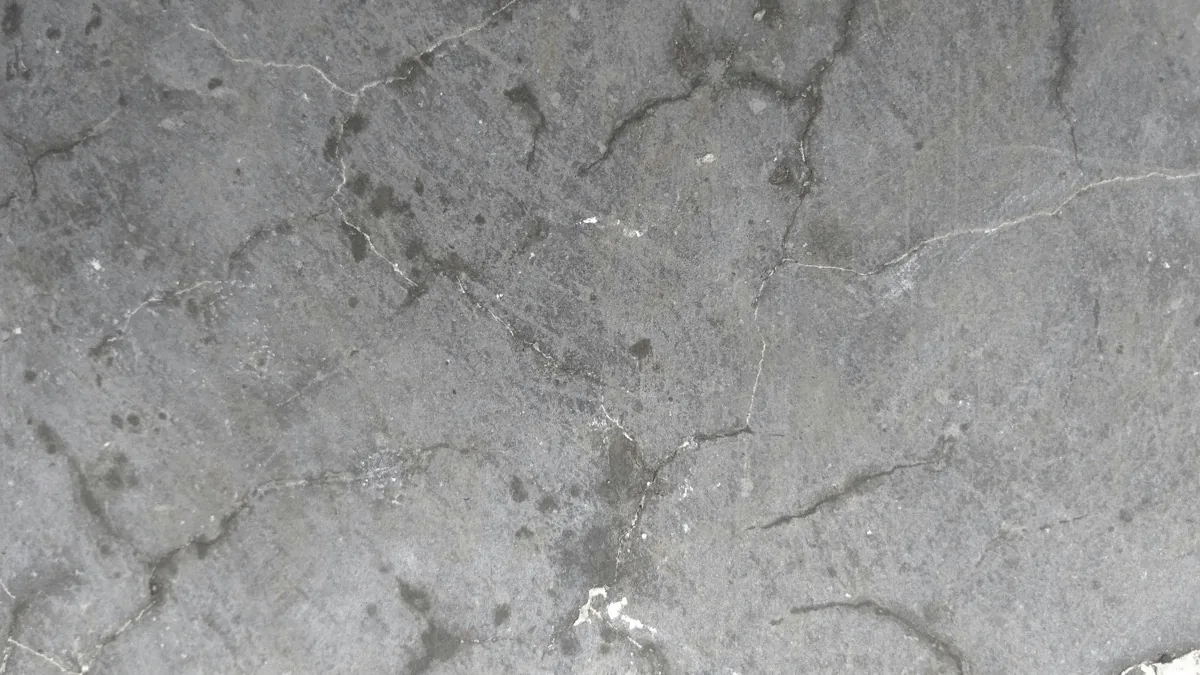
Part of what got Phil's inspector worked up was the appearance of the cracks in those conditions. Crawl spaces are dark. Moisture stains and efflorescence — the white mineral residue — can make cracks look older and more dramatic than they are. Cobwebs and debris collect in crack openings. A crack that would read as obviously minor in a well-lit basement can look ominous under a flashlight beam in a tight, low-clearance space.
The other factor is that most crawl space foundations are poured concrete or concrete block, and both develop shrinkage cracks routinely during curing. A 1960s house like Phil's has had decades for normal concrete behavior to manifest. That doesn't mean every crack is fine, but it does mean the baseline expectation should be some cracking, not none.
I've noticed that inspectors sometimes list crawl space cracks as significant findings when they wouldn't flag identical cracks in a finished basement. Part of it is the difficulty of the inspection — cramped access conditions make thorough assessment harder, so conservative language feels appropriate. Part of it may just be that scary-looking spaces produce scary-sounding reports.
What I Found Under Phil's House
I spent about 45 minutes under that house with a good headlamp and a tape measure. Here's how I categorized what I found:
Vertical hairline cracks: At least six of these, ranging from 8 to 24 inches long, all less than 1/16 inch wide. Classic shrinkage. Phil's inspector had counted these individually on his report and the total looked alarming. In context, they were unremarkable for a 60-year-old poured concrete foundation.
One horizontal crack: This one got my attention immediately. It ran about 18 inches along the middle of one block wall on the north side. It wasn't wide — maybe 1/8 inch at its widest — but horizontal cracks in block walls indicate lateral pressure from soil. That's a different category of concern than simple settlement cracks. I measured it, photographed it from every angle, and told Phil we needed an engineer to look at that wall specifically before he closed.
Corner cracks at the sill plate: Two small cracks where the foundation met the framing above it. Minor. Likely from normal thermal cycling over many decades.
What the Engineer Said
Phil hired an independent structural engineer for $450. She confirmed what I suspected: the vertical cracks were cosmetic shrinkage, and the horizontal crack was real but not currently active. She measured the bowing in that block wall at less than half an inch over eight feet — below the threshold where she'd recommend intervention. She gave Phil a written report documenting everything and recommended annual monitoring with crack gauges.
That report was worth every dollar. Phil used it to negotiate $2,000 off the purchase price, and the seller's agent couldn't argue with a licensed engineer's assessment. The horizontal crack hasn't changed measurably in the two years Phil has owned the house. He checks it every spring and documents it with photos, same as I do with my own basement.
How Crawl Space Assessment Differs from Basements
A few factors make crawl space crack evaluation its own thing:
Moisture exposure is typically higher. Ground moisture, limited ventilation, and the absence of a full floor slab mean crawl space walls often show more staining, efflorescence, and biological growth than basement walls. Appearance can be alarming while the actual structural condition is ordinary. Learn to separate cosmetic decay from structural movement.
Access limits inspection quality. Even a thorough inspector can't always get clear visual access to every section of a crawl space foundation. Areas near piers, ductwork, and old insulation may be partially obscured. When a report flags cracks in a crawl space, it's worth asking whether the inspector had clear line of sight to those specific areas.
Wood elements need attention too. Unlike basements, crawl spaces have wood beams, floor joists, and posts sitting relatively close to grade. Foundation crack evaluation in a crawl space should include checking that wood for rot, insect damage, and deflection. A clean concrete wall next to rotting joists is still a structural problem — just a different kind.
When to Take It Seriously
The same principles apply as with any foundation: horizontal cracks, diagonal cracks with displacement, and cracking combined with visible wall movement or bowing all deserve professional evaluation. In crawl spaces specifically, a couple of additional patterns matter:
Multiple cracks concentrated in one area — particularly near a corner or a mid-span pier — can indicate differential settlement, where one section of the foundation is moving at a different rate than adjacent sections. A single vertical crack is often nothing. Four vertical cracks within three feet of each other is a different conversation.
Cracking combined with uneven floors above. If the crawl space shows cracking and the floors on the main level feel springy or have noticeable slope, those two observations together carry more weight than either alone. The American Concrete Institute publishes guidelines on crack evaluation criteria that engineers reference when assessing whether observed conditions exceed acceptable limits for the structure's age and type.
Any crack with active water intrusion — staining at the crack edges, visible moisture, efflorescence directly adjacent to the crack — warrants evaluation because water penetration accelerates deterioration in ways a dry crack does not.
A Practical Crawl Space Inspection Approach
If you're evaluating a crawl space yourself, bring the right gear. A headlamp is better than a flashlight because it keeps your hands free. Knee pads. Old clothes you don't mind ruining. A tape measure and a phone with a flash for photos.
Work systematically. Start at one corner and move section by section along each wall. Document every crack with a photo that includes a tape measure for scale. Note orientation, approximate length, and actual measured width. Don't estimate width — measure it. A crack that looks like a quarter inch might actually be an eighth, and that distinction changes the conversation significantly.
Look at your photos back in daylight before drawing any conclusions. What seemed alarming in a tight dark space often looks completely routine in good lighting. That's not rationalizing — it's that threat perception in uncomfortable conditions tends toward the catastrophic.
If anything genuinely concerns you after that review, hire an independent structural engineer. Not a foundation repair company — an independent engineer who charges a flat fee and has no financial stake in what they find. That's the only way to get an objective assessment. The report they produce gives you something concrete to work from, whether the conclusion is "monitor it" or "fix it now."