What Dale Told Me
Dale does construction. He's seen more basements than I've had hot meals. The American Concrete Institute classifies these types of issues are more common than most homeowners realize.
"Every Basement Has These"
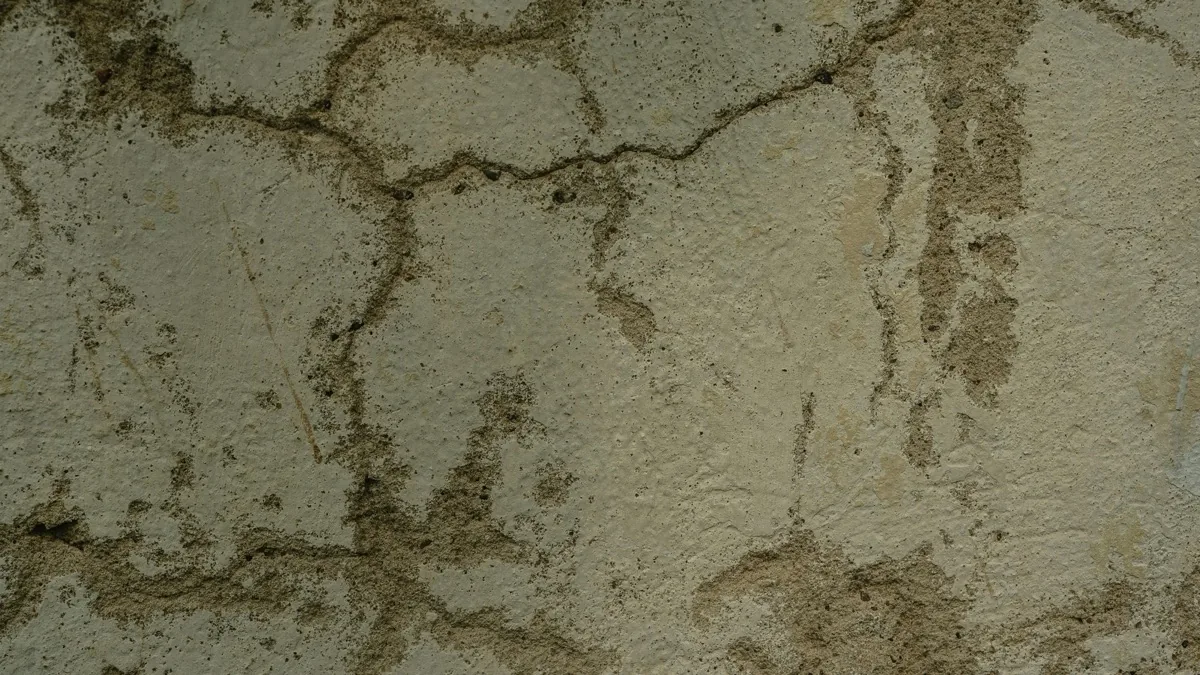
His exact words. Every poured concrete wall cracks a little bit as it cures. The concrete shrinks as the water evaporates over the first few years. Since it can't shrink evenly everywhere, it cracks.
"If you don't have hairline cracks, you don't have a concrete foundation," he said. Then he laughed at my repair kit.
The Fingernail Test
Dale showed me a simple test. Run your fingernail across the crack. Can you catch it? If not, if your nail just slides over it, that's a hairline crack. It's probably been there since the house was new. It's doing nothing. It means nothing.
I went back downstairs with Dale and tested all my cracks. Not one of them caught my fingernail. I'd been losing sleep over surface blemishes.
When Hairline Cracks Actually Don't Matter
After the Dale intervention, I did more research. Talked to a structural engineer at a neighborhood party (he was very patient with my questions). Here's what I learned about cracks you can safely ignore. According to the International Code Council, the recommended approach depends on several site-specific factors.
They're Old and Unchanged
Shrinkage cracks form in the first few years. After that, they're done. If your house is 20 years old and the cracks have been there the whole time at the same width, they're historical artifacts. Not active problems.
My house was built in 1978. Those hairline cracks have been there since I was in diapers. They're not going anywhere.
They're Dry
A hairline crack that's not letting water in is basically invisible to your life. It's there, sure. But it's not doing anything bad. No moisture, no mold risk, no problem.
No Pattern
Random hairline cracks scattered across a wall are normal shrinkage. Concerning would be multiple cracks radiating from one point, or a cluster of cracks forming a web pattern. That would suggest stress concentration. Random is fine.
Both Sides Level
Run your finger across the crack. Are both sides even? If one side has shifted forward or back relative to the other, that's displacement. That's different. But if they're perfectly flush, it's just separation from shrinkage. No movement involved.
When to Actually Pay Attention
Most hairline cracks are nothing. But not all. Here's what changed my monitor-it list.
New Cracks in Old Houses
Shrinkage cracks appear when concrete is young. If you suddenly see new hairline cracks in a 30-year-old foundation, something caused them. That's different from original shrinkage cracks that have been there since construction.
My neighbor down the street had this happen. New crack appeared after years of nothing. Turned out her downspout had disconnected and water had been pooling against the foundation for two seasons. The new crack was actually minor, but the drainage issue was the real problem.
They're Getting Wider
A crack that used to be invisible but is now clearly visible? Worth watching. I put pencil marks at the ends of one of my cracks and dated it. Four years later, no change. That's the reassurance I needed.
If yours is growing, even slowly, that's not normal shrinkage behavior.
Water Coming Through
Even hairline cracks can leak under enough water pressure. If you're getting moisture through a crack during heavy rains, it's worth sealing. Not because it's structural. Because water in your basement is never good.
That's actually the one situation where my unused repair kit might have been useful. But all my cracks are bone dry, so... garage shelf it is.
What I'd Do Differently
Looking back at my initial panic, here's what I wish I'd done.
Ask Someone First
Before buying anything, before stressing, I should have asked Dale. Five minutes of his time saved me hours of anxiety and made a $180 kit irrelevant.
If you have a friend in construction, buy them a beer and ask their opinion. It's cheaper than a repair kit and infinitely cheaper than paying a foundation company to tell you the same thing.
Wait and Watch
If I'd just marked my cracks and checked them in six months, I'd have seen they weren't changing. That's free. The peace of mind from knowing nothing is happening is worth more than any repair.
Save the Money for Real Problems
That $180 would have been better spent on... literally anything else. Gutter guards, which actually protect my foundation. A level to check my walls annually. More beer for Dale.
Hairline cracks don't need products. They need observation. And maybe acceptance that concrete is just like that.