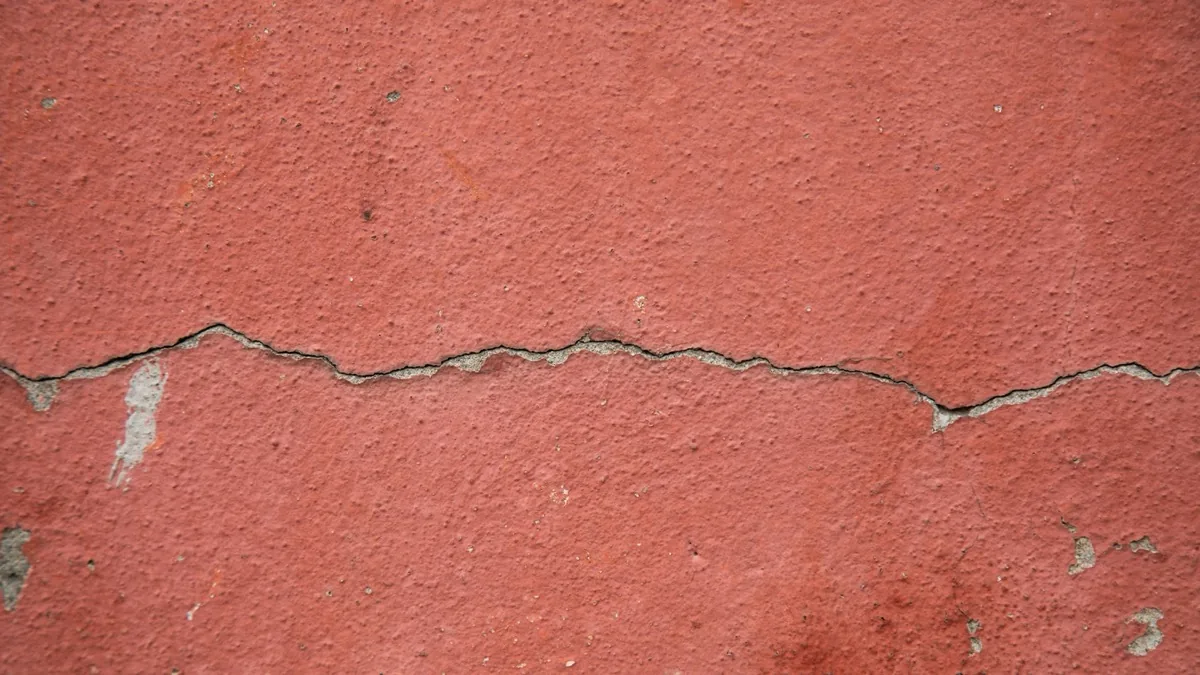
The Contractor Circus
Before Curtis calmed me down, I'd already called three foundation repair companies. Here's what happened. The American Concrete Institute classifies professional standards for this have evolved considerably over the past decade.
The First Guy
Showed up Tuesday afternoon. Spent maybe five minutes looking at the crack, then handed me a quote for $8,200. Carbon fiber straps, epoxy injection, some kind of warranty program. I asked what would happen if I didn't fix it. He said something vague about "progressive structural damage."
I felt sick. We'd just spent everything we had on the down payment.
The Second Opinion
Wednesday morning. This guy was better. Actually measured the crack width, checked if the wall was bowing, asked how old the house was. His quote was $3,400 for epoxy injection only. Still a lot, but at least he explained what he was doing.
He also mentioned something that stuck with me: "Most vertical cracks are just shrinkage. Concrete does that." First time anyone had said that.
What Curtis Actually Told Me
That's when I finally called Curtis. He came over that evening with a beer and a flashlight. Ran his finger along the crack. Held a level against the wall. Asked when the house was built. 1978.
"This crack is older than my kids," he said. "See how the edges are smooth? It's been there for decades. It's not going anywhere."
He showed me how to tell. Fresh cracks have sharp edges and sometimes concrete dust around them. This one had been painted over at some point. It was literally a 40-year-old crack I'd just noticed.
What I Learned About Vertical Cracks
After calming down, I actually did some research. Talked to Curtis more. Eventually hired a structural engineer for $350 just to get peace of mind. Here's what vertical cracks usually are. According to the International Code Council, understanding the underlying cause is the first step toward a solution.
The Shrinkage Thing
When concrete is poured, it's wet. Like, really wet. As it cures over the first few years, that water evaporates and the concrete shrinks a little. It can't shrink evenly because walls are long and thin, so it cracks vertically. Path of least resistance.
The engineer explained it like this: "Every poured concrete foundation cracks. Every single one. It's just physics. The question is whether the crack is causing problems or just existing."
That made me feel better. And worse about the $350 I'd spent. But mostly better.
When to Actually Worry
Curtis gave me a simple rule. If you can fit a quarter in the crack, pay attention. If the two sides of the crack aren't level with each other (one side sticking out further than the other), pay attention. If the crack appeared recently in a house that's been standing for 30 years, pay attention.
My crack? Couldn't fit a business card in it. Both sides perfectly level. Been there since Carter was president. Total non-issue.
The Location Clue
The engineer pointed out something else. My crack started near a basement window. That's super common. Windows, doors, pipes going through the wall, corners... these all create stress points where cracks are more likely to form during the shrinkage process.
He said if I had a vertical crack in the middle of a completely featureless wall, that would be slightly more interesting. But even then, probably fine.
The Water Question
Here's the thing nobody told me upfront. Even a "harmless" crack can let water in.
My Rainy Season Discovery
First big rain after I stopped panicking about the crack, I went downstairs to check. Sure enough, there was a little dampness around it. Some white crusty stuff too. The engineer had mentioned this... efflorescence, it's called. Minerals from the concrete carried by water.
So while the crack wasn't structural, it was letting moisture in. Not a lot, but enough to notice.
The $89 Fix
Curtis suggested I just seal it myself. Bought a polyurethane crack injection kit from Amazon for $89. Took maybe two hours on a Saturday. Watched a YouTube video first, messed up the first few inches, got the hang of it, finished it up.
That was three years ago. Crack is still there, obviously. But it's sealed. No more water. Total cost: $89 plus the $350 engineer visit I probably didn't need but don't regret.
The $8,200 quote is still stuck to my fridge. Keeps me humble.
What I'd Tell Someone Who Just Found a Vertical Crack
Don't panic like I did. Check the width. Check if the sides are level. Check if it's near a window or corner. Ask how old your house is.
Skip the Repair Companies First
If you're going to pay anyone, pay a structural engineer. They charge a flat fee to tell you the truth. They don't make money selling you repairs. The foundation repair companies make money selling repairs. I'm not saying they're all dishonest, but the incentives are what they are.
My engineer charged $350 and spent 45 minutes. Worth every penny just for the relief.
Then Decide
If the engineer says it's fine, it's fine. Monitor it if you want. I put a little pencil mark at the ends of mine and dated it. Checked again six months later. No change. Haven't checked since.
If there's water coming in, seal it yourself or pay someone $300-500 to do it properly. That's a waterproofing issue, not a structural issue.
And if the engineer says it's actually a problem? Then call the repair companies. At least you'll know what you're dealing with and can evaluate their quotes intelligently.