Phase 1: Initial Quotes and Evaluation
The first phase is the part most homeowners experience as urgent and stressful. You have a problem, you call companies, you get quotes, you try to decide. Realistic time budget for this phase is two to four weeks if you're doing it carefully.
Getting multiple quotes takes longer than you'd think. Each contractor needs to schedule a visit, walk the site, and write up an estimate. Some return their quote in 48 hours. Others take a week or more. If you're getting three quotes, which I'd recommend, plan on the slowest contractor setting your pace.
Why Adding an Engineer Is Worth the Delay
Adding an independent structural engineer to this phase extends it by another one to three weeks, but it's almost always worth it. An engineer charges typically $300 to $600 for a residential evaluation and gives you an opinion that isn't tied to selling a repair. According to the International Code Council, structural recommendations from a licensed engineer carry significantly more weight than contractor proposals in most jurisdictions.
Phase 2: Contract and Scheduling
Once you've picked a contractor and signed a contract, expect another two to six weeks before work begins. Reputable contractors are usually scheduled out, especially in spring and fall when soil conditions are most favorable. Same-week availability is sometimes a red flag rather than a convenience.
The contract itself should specify the scope of work, the warranty terms, payment schedule, and the contractor's responsibility for permitting and inspections. Read it. Question anything that's vague. The contract is the document you'll fall back on if anything goes wrong, and ambiguity always favors whoever wrote it.
Phase 3: Permits
This is the phase most homeowners underestimate by a wide margin. Permits for foundation work typically take two to six weeks to issue, depending on your jurisdiction. Some cities are fast. Some are notoriously slow. Some require engineered drawings that the contractor has to source from a third party.
The contractor usually handles permitting, but the timeline depends on how organized they are about submitting documents and following up. I've seen permits issued in three days and I've seen them take eight weeks for what was essentially the same scope of work. The variance comes mostly from the contractor's relationship with the local building department.
Why Permits Matter
Unpermitted foundation work can create problems when you eventually sell the house. Home inspectors flag visible repair work. Title companies sometimes require proof of permits. Insurance claims can be denied if work wasn't permitted. The two to six weeks of waiting is annoying but worth it.
Phase 4: The Actual Repair Work
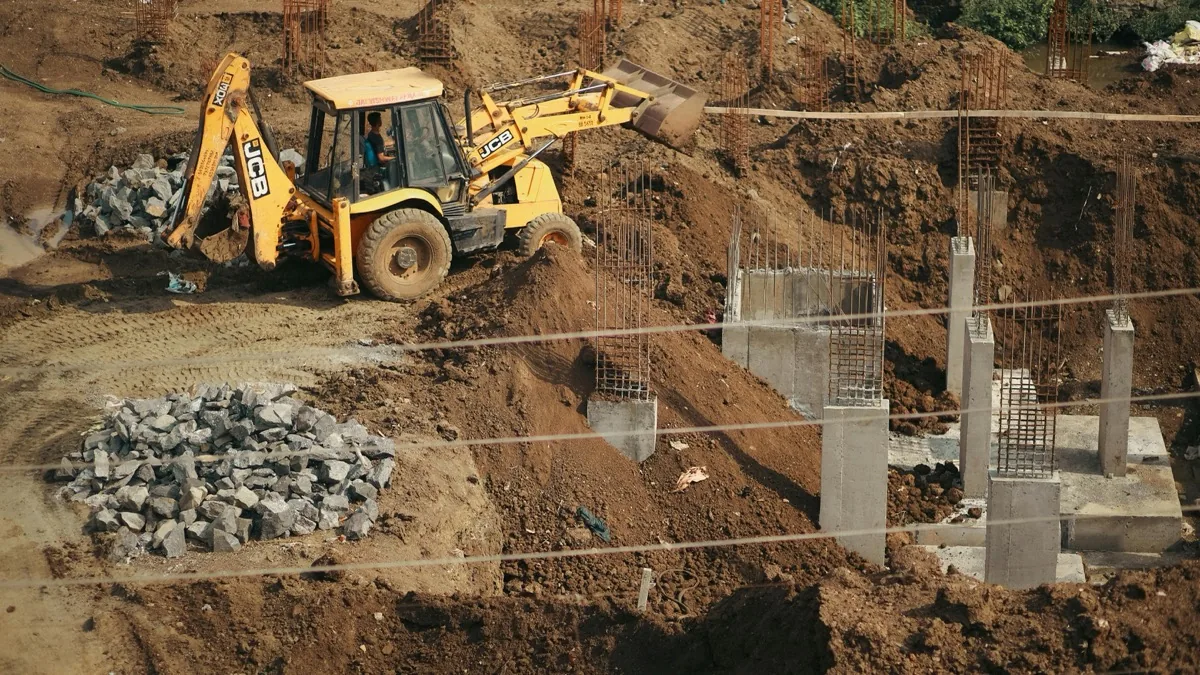
Here's the phase the contractor quoted you. Most residential foundation repairs take two to five days of active work. Underpinning with piers might be two days for a small section, five for a full perimeter. Wall anchors typically run two to three days. Crack injection often finishes in a single day.
This is the phase where you'll see crews on your property, equipment in your yard, and progress visible from one day to the next. It's also the phase where unexpected issues sometimes surface. Excavation can reveal soil conditions that weren't visible from the surface. Existing utilities sometimes have to be located and protected. Bedrock or buried debris can change the approach.
Phase 5: Curing and Backfill Settling
After the crew leaves, the repair isn't really done. Concrete cures slowly. Backfill settles slowly. Both take time before the affected area is fully ready for normal use.
Concrete reaches about 70 percent of its full strength in seven days under normal conditions, per published guidance from the American Concrete Institute. Full design strength typically requires 28 days. For most residential repairs, you can use the area for light loads within a few days, but heavy loading should wait several weeks.
Backfill is the trickier one. Soil placed back into an excavated trench needs to consolidate before it provides the full lateral support the foundation expects. Even with mechanical compaction, this can take months to fully equilibrate. Landscaping over freshly backfilled trenches will often subside several inches as the soil settles, and homeowners sometimes have to top-dress these areas a year or two after the repair.
Phase 6: Final Inspection and Warranty Paperwork
The last phase is paperwork. The building department needs to do a final inspection, the contractor needs to file completion documents, and you need to receive warranty paperwork. This phase often runs two to four weeks after the crew leaves your property, sometimes longer.
Make sure you actually receive the warranty in writing. Verify it's transferable if you might sell the house. Check the duration and what specifically is covered. A 25-year warranty that only covers the specific products installed, not workmanship, is much less valuable than a 10-year warranty that covers both.
Total Timeline Summary
Adding it all up, a realistic timeline for residential foundation repair runs:
- Quotes and engineer review: 2 to 4 weeks
- Contract and scheduling: 2 to 6 weeks
- Permitting: 2 to 6 weeks (often overlaps with scheduling)
- Active repair work: 2 to 5 days
- Curing and settling: 4 to 12 weeks before full normal use
- Final inspection and paperwork: 2 to 4 weeks
If you're planning a project, budget 8 to 14 weeks from the first phone call to having a fully complete, inspected, warrantied repair. Plan for the slow end if the work is happening during spring or fall, when scheduling and weather both create more delays than summer or winter.