Seller Disclosure Requirements
Sellers in most U.S. states are legally required to disclose known material defects that affect the value or habitability of the property. Foundation issues generally qualify as material defects. If you know about a crack—whether you've been monitoring it for years, had it professionally sealed, or had an engineer evaluate it—that knowledge typically needs to be disclosed.
The specifics vary by state. Some states use standardized disclosure forms with explicit questions about foundation cracks, structural repairs, or water intrusion. Others use broader "known defects" language that covers it by implication. The National Association of Realtors provides general guidance on disclosure obligations, but reviewing your specific state's requirements with your agent or a real estate attorney is the right move.
The practical takeaway: disclose what you know. Trying to conceal a crack you've been watching for a decade is legally risky and usually pointless. A competent buyer's inspector will likely find it during inspection, and then you've created a much larger problem than the crack itself.
How to Document Your Disclosure
When disclosing a foundation crack, include: when you first noticed it, what monitoring you've done (measurements, photos, dates), whether it has changed over time, any professional evaluations obtained, and any repairs completed with contractor or warranty documentation. A well-documented stable crack is much less alarming to a buyer than a vague disclosure that says "minor crack in basement." The goal is to give the buyer information, not just satisfy the legal minimum.
What Home Inspectors Actually Evaluate
Standard home inspectors are generalists. They're trained to identify visible issues across many systems—electrical, plumbing, roofing, structure—but they're not structural engineers. When an inspector sees a foundation crack, their job is to note it and recommend further evaluation. That's appropriate: diagnosing structural conditions is outside their expertise and scope.
The problem is that "further evaluation recommended" reads as alarming on an inspection report even when the crack is a textbook hairline shrinkage crack that wouldn't concern any structural engineer. Inspectors also can't evaluate buried portions of the foundation, soil conditions, drainage patterns, or historical movement. They see a single snapshot.
If a home inspection flags foundation concerns, the appropriate next step is almost always an independent structural engineer, not a foundation repair company. According to guidance from the Structural Engineering Institute, a licensed structural engineer provides the professionally qualified independent assessment that neither a home inspector nor a repair contractor can substitute for. In most metro areas, residential foundation evaluations run $400–$600. That's usually money well spent before anyone starts negotiating numbers.
Types of Cracks and What They Mean for a Transaction
Not all foundation cracks carry equal weight in a real estate context. The type matters considerably when deciding how seriously to take an inspection finding.
Cracks That Are Usually Not a Problem
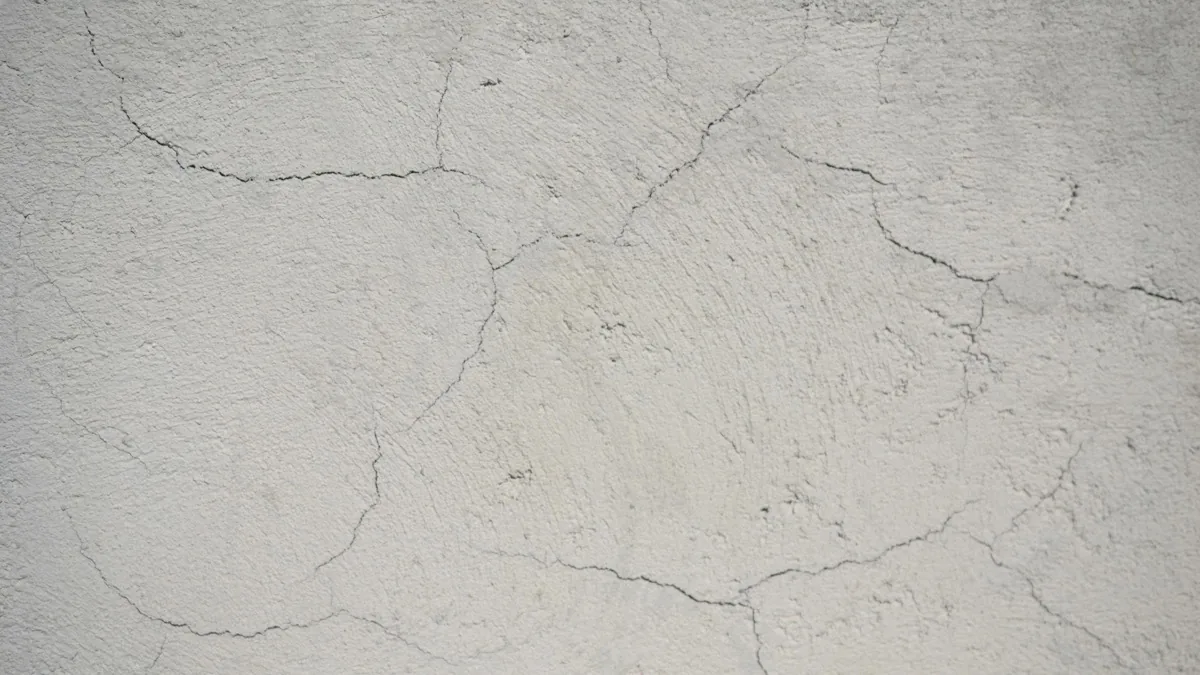
Hairline shrinkage cracks in poured concrete walls—thin, vertical or slightly diagonal, consistent width throughout their length—are extremely common in homes built from the 1970s onward. They form as concrete cures and typically stabilize within a few years of construction. A stable shrinkage crack that hasn't changed in five or more years is not a structural issue. It may need sealing to prevent moisture infiltration, but that's maintenance, not structural repair. A documented stable shrinkage crack does not need to derail a transaction.
Cracks That Warrant Negotiation
Larger vertical or diagonal cracks (wider than 1/4 inch), cracks with water staining or efflorescence, or cracks that appear to have been previously patched and reopened are worth professional evaluation and potentially some form of buyer concession or seller repair. These aren't necessarily catastrophic findings, but they represent legitimate unknowns the buyer is reasonable to price in. A concession equivalent to the cost of an engineering evaluation plus expected repair work is a reasonable starting point for negotiation.
Cracks That Should Pause a Transaction
Horizontal cracks in concrete block or brick walls, visible wall bowing, stair-step cracking with displacement, or any cracking combined with active water intrusion should trigger a full structural engineering evaluation before the transaction proceeds. These patterns can indicate lateral pressure problems or ongoing foundation movement that materially affects the structure. A buyer's lender may also require resolution of flagged structural issues before approving financing, so pausing to assess is often not optional.
Negotiating When Foundation Issues Come Up
When foundation cracks appear in a home sale negotiation, there are a few paths: seller completes repairs before closing, price reduction, closing cost or repair credit, or the buyer walks. Each has tradeoffs worth thinking through.
Seller-completed repairs can be done well or done cheaply to satisfy a contract condition. If the seller hires a foundation company to inject a crack just to move the deal along, the quality of that repair is unknown to the buyer and the warranty belongs to the seller who's leaving. A price reduction or repair credit gives the buyer control over who does the work and whether it actually gets done to a standard they're comfortable with. Buyers generally come out better with a credit unless the seller is willing to provide contractor documentation and a transferable warranty.
When negotiating numbers, having an independent engineer's report with repair cost estimates gives you an objective basis. "The engineer's report says this requires $1,200 to $2,500 in epoxy injection" is a far better position than "I'm nervous about the foundation."
For Sellers: Getting Ahead of It Before Listing
If you have foundation cracks you're aware of, the most effective pre-listing strategy is documentation—not concealment. Getting an independent structural engineer evaluation before you list means that if the cracks are stable and cosmetic, you have a professional report confirming that. You can include it in your disclosure and hand it to buyers who ask questions. That document does a lot of work in a negotiation.
If the engineer identifies real issues, addressing them properly before listing is almost always better than disclosing problems and trying to negotiate around them. A properly documented repair with a written warranty from a reputable contractor is a neutral to positive factor in a transaction. The U.S. Department of Housing and Urban Development notes that documented maintenance and repair history generally supports buyer confidence rather than reducing it.
The worst position to be in is having a buyer's inspector find something significant that you didn't disclose—even if you genuinely didn't know about it. The optics shift the negotiating dynamic entirely. Getting ahead of foundation concerns before they become inspection surprises is almost always the better approach for everyone involved.