Quick Comparison
| Factor | Structural Engineer | Foundation Repair Company |
|---|---|---|
| Cost for assessment | $300-500 (flat fee) | Usually free |
| Makes money from | Assessment only | Selling repairs |
| Can design repairs | Yes | Limited to their products |
| Writes reports for | You, banks, insurance | Their sales process |
| Licensing | State PE license | Contractor license |
| Bias potential | Low | High (incentivized to sell) |
The Incentive Problem
This is the core issue that nobody explained to me upfront. According to the International Code Council, the recommended approach depends on several site-specific factors.
How Foundation Companies Make Money
Foundation repair companies offer free inspections because they make money selling repairs. The salesperson who comes to your house has a financial incentive to find problems and recommend solutions. Not saying they're all dishonest. But the incentive structure is what it is.
My first contractor walked in, spent five minutes looking around, and quoted $8,200. No measurements. No discussion of whether the cracks were old or new. Just straight to the quote.
How Engineers Make Money
A structural engineer charges a flat fee for assessment. Whether they find nothing wrong or recommend $50,000 in repairs, they get paid the same $350. They have no financial incentive to exaggerate problems.
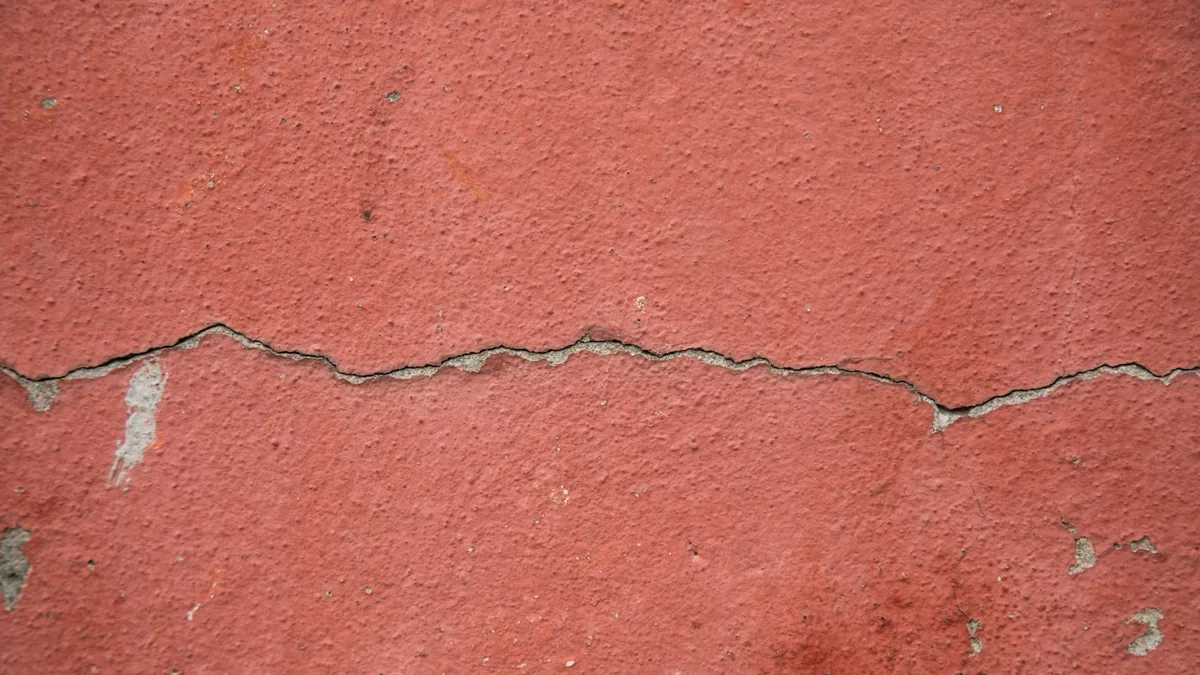
My engineer actually seemed a little disappointed that he couldn't find anything wrong. He kept looking, measuring, checking things I hadn't even thought about. In the end, he shrugged and said "These are just old shrinkage cracks. Don't spend money on this."
What Each One Actually Does
They're different services, not interchangeable.
The Engineer's Role
A structural engineer assesses whether there's a problem and if so, how severe. They can tell you if your cracks are cosmetic or structural. They can tell you if your wall needs repair or just monitoring. They can tell you if the contractor quotes you're getting make sense.
They can also design repairs if needed. An engineer's repair design might be carried out by any qualified contractor, giving you options.
The Company's Role
Foundation repair companies execute repairs. They're contractors. Good ones know their products well and install them properly. But their expertise is installation, not independent assessment.
A foundation company can tell you what they would do to fix something. They can't objectively tell you whether that something needs fixing.
When You Need an Engineer First
Based on my experience, here's when I'd definitely call an engineer before any contractor.
You're Not Sure If There's a Problem
If you found cracks and you're worried, an engineer can tell you whether that worry is justified. Foundation companies will almost always find something to sell you. An engineer will tell you the truth even if the truth is "relax."
You've Gotten Conflicting Contractor Quotes
When one contractor says $8,200 and another says $3,400 for the same wall, someone is wrong. Or they're proposing different solutions. An engineer can cut through that confusion.
My engineer would have saved me hours of stress if I'd called him first instead of three contractors.
You're Buying or Selling a House
An engineer's report carries weight in real estate transactions. Banks trust it. Buyers trust it. Sellers can use it to prove issues are minor. A foundation company quote proves nothing except what that company wants to charge.
Insurance Claim
If you're filing an insurance claim for foundation damage, you'll need an engineer's report anyway. Insurance companies don't accept contractor quotes as proof of damage. Get the engineer first.
When a Foundation Company Is Fine
Engineers aren't always necessary.
You Know You Need Repair
If an engineer already told you what's wrong and what kind of repair you need, go straight to contractors for quotes. You don't need another assessment.
Simple Waterproofing
If your only issue is water coming through a crack, and there's no structural concern, a waterproofing company can handle that. It's a service, not an assessment.
I sealed my own crack for $89. A contractor would have charged $300-500. Either way, didn't need an engineer for a simple waterproofing job on a dormant crack.
The Problem Is Obvious
Len's wall was bowing 2.5 inches. He didn't need an engineer to tell him something was wrong. The structural failure was visible to anyone with eyes. He did still get an engineer report for documentation, but the need for repair was obvious.
The $350 That Changed Everything
I think about that $350 a lot.
What I Got
A 45-minute inspection. A written report stating my foundation was structurally sound. Peace of mind I couldn't have gotten any other way. The ability to tell future home buyers that a licensed PE inspected the foundation and found no issues.
What I Avoided
At minimum, $3,400 for epoxy injection I didn't need. Possibly $8,200 for carbon fiber straps I definitely didn't need. A lifetime of wondering if I'd been scammed.
My Advice
If you're worried about your foundation and not sure what to do, call an engineer first. The fee pays for itself if it saves you even one unnecessary repair. And if repairs are actually needed, you'll know exactly what's required and can evaluate contractor quotes intelligently.
The $350 was the best money I ever spent on this house.